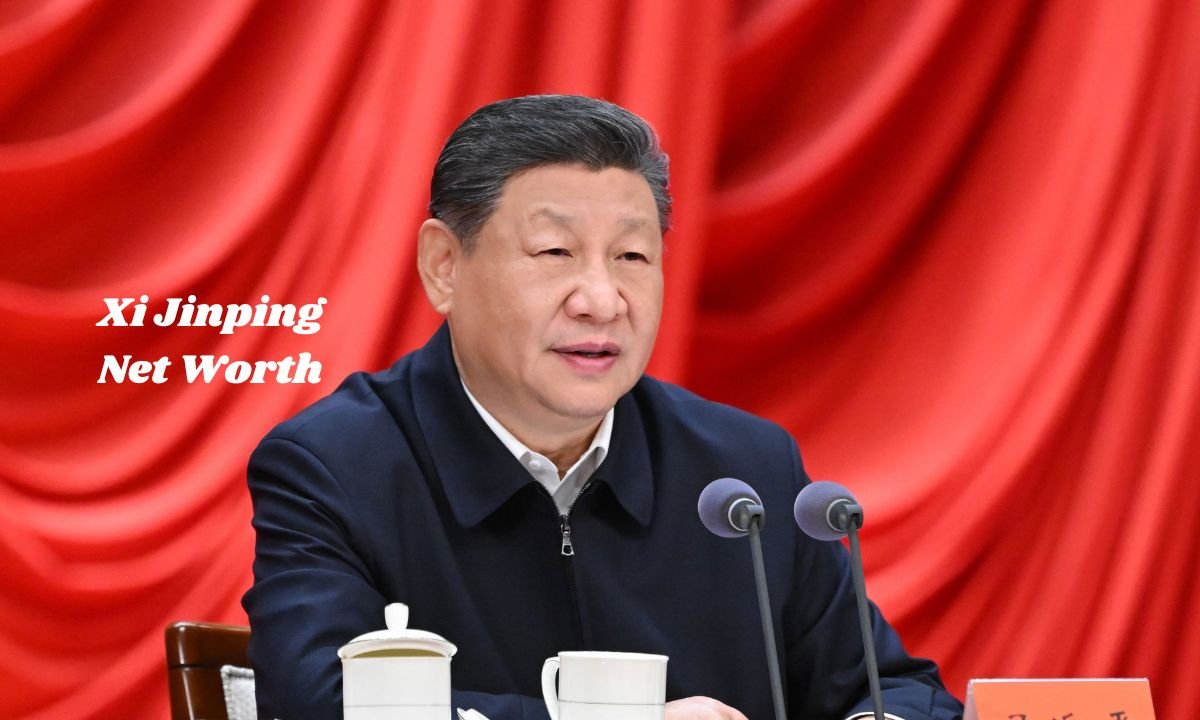
Xi Jinping Net Worth 2026: Salary and Wealth
Xi Jinping is the president of China and the leader of the Chinese Communist Party (CCP). Because he leads one of the world’s largest economies, many people want to know how much money he has, what salary he earns, and how wealthy his family is.
However, finding Xi Jinping’s exact net worth is difficult. Different websites estimate his wealth at $1 million, $700 million, or even $1.2 billion. These figures come from different sources and are not officially confirmed. It is also important to separate his personal wealth from the money and property reportedly owned by his relatives.
Xi Jinping’s Salary
Xi Jinping receives a salary for his role as China’s president. One published estimate puts his annual salary at around 152,121 Chinese yuan, or approximately $22,000. However, this figure should be checked against current official records before being treated as his confirmed salary in 2026.
Besides his salary, Xi receives government support for his official duties. This includes transportation, security, and access to official residences. These benefits help cover his work-related needs, but they are not the same as personal wealth.
What Is Xi Jinping’s Net Worth and Salary?
Xi Jinping’s net worth is often reported differently across websites. Celebrity Net Worth has estimated his wealth at $1 million, while other reports have suggested figures of $700 million and $1.2 billion. These estimates should be treated carefully because they have not been confirmed through complete public financial records.
Some reports focus on the wealth of Xi’s extended family rather than his personal money. Family members may own businesses, investments, or property, but their assets cannot automatically be counted as his. Without clear financial records, his exact personal net worth remains unverified.
Xi Jinping’s Estimated Net Worth in 2026
As of 2026, there is no publicly verified figure that establishes Xi Jinping’s exact personal net worth. The widely reported estimates of $1 million, $700 million, and $1.2 billion provide different views of his possible wealth, but none should be treated as a confirmed total.
These differences exist because reliable information about his personal assets and family finances is limited. A clear estimate would require details about his investments, property, income, and debts. Until such information becomes available, it is more accurate to describe these amounts as reported estimates.
Xi Jinping’s Family Wealth and Business Connections
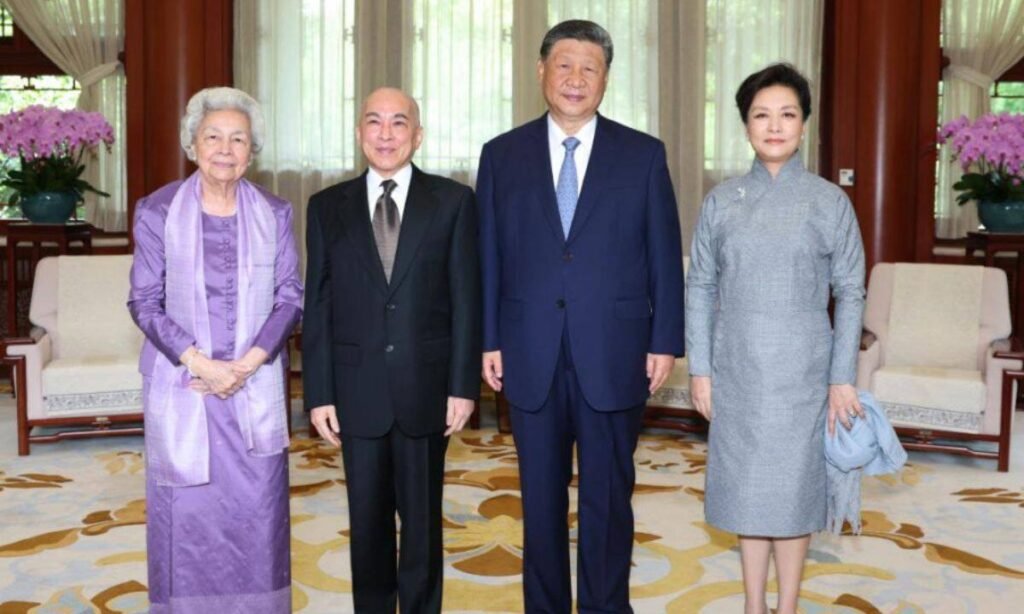
International media reports have examined the business interests of Xi Jinping’s relatives. Some investigations have raised questions about family investments, company connections, and property holdings linked to people close to China’s political leadership.
However, these reports do not prove that every family asset belongs to Xi himself. To establish personal ownership, reliable evidence would need to show who owns an asset and who receives its financial benefits. Therefore, reported family wealth should be kept separate from Xi Jinping’s personal net worth.
Why Is Xi Jinping’s Net Worth Difficult to Verify?
China does not provide complete public financial records for its top political leaders. Limited access to property information, restrictions on media reporting, and government censorship make it harder for journalists to investigate their wealth.
Bloomberg News published an investigation into the wealth of Xi’s relatives. Reports later described threats against journalist Michael Forsythe and his family, while Bloomberg’s website was blocked in China. This case shows why investigating the finances of powerful political families can be difficult.
Salary
One published estimate puts Xi Jinping’s annual salary at approximately 152,121 yuan, or around $22,000. This amount gives readers an idea of his reported official pay, although it should not be treated as a confirmed 2026 figure without updated records.
His salary does not tell the whole story of his financial position. The Chinese government also provides official transportation, security, and housing for his duties. These benefits reduce the need to pay certain work-related expenses personally, but they do not reveal how much private wealth he owns.
Early Life and Education
Xi Jinping was born on June 15, 1953, in Beijing, China. His father, Xi Zhongxun, was a senior Communist Party official, and his mother is Qi Xin. His childhood was shaped by major political changes in China.
During the Cultural Revolution, his family faced political difficulties. As a teenager, Xi moved to Liangjiahe, a rural village in Shaanxi Province. He lived and worked there for several years, an experience that later became an important part of his political background.
Xi studied chemical engineering at Tsinghua University in Beijing. He later returned to pursue advanced studies in Marxist theory and ideological education. His education and early work in local government helped prepare him for a long career in Chinese politics.
Ascent to Power
Xi Jinping began his political career in 1979, working as a secretary for Geng Biao, a senior government official. He later held several local Communist Party positions and gained experience in government administration.
His career took him through important political roles in Hebei, Fujian, Zhejiang, and Shanghai. In 2007, he joined the Communist Party’s Politburo Standing Committee. The following year, he became China’s vice president.
In 2012, Xi became General Secretary of the Chinese Communist Party. He was elected president of China in 2013. These appointments gave him control over major political decisions and made him one of the most powerful leaders in the world.
Leader of China
Xi Jinping became General Secretary of the Chinese Communist Party in 2012 and president of China in 2013. He also leads the Central Military Commission, which oversees the country’s armed forces.
Since taking power, Xi has strengthened the Communist Party’s control over the government. His administration has introduced anti-corruption campaigns, increased online censorship, and expanded government oversight. In 2018, China removed the constitutional limit on how many terms a president can serve, allowing Xi to remain in office beyond the previous restriction.
Xi Jinping’s Luxury Lifestyle and Official Residences
Xi Jinping has access to Zhongnanhai, a historic government compound in central Beijing. The site contains traditional buildings, gardens, and former imperial structures. It serves as an important center of China’s political leadership.
For official travel, Xi uses specialized transportation, including a customized Boeing 747 and an armored Hongqi limousine. These vehicles support his security and official duties. However, access to government transportation and residences does not mean that he personally owns these assets.
Foreign Policy
Xi Jinping has worked to increase China’s influence around the world. His government focuses on national security, economic strength, military development, and China’s position in international affairs.
Relations between China and the United States have faced tensions over trade, technology, security, and Taiwan. China has also faced disputes with neighboring countries over the South China Sea. These issues affect international trade and China’s economic relationships.
Although foreign policy does not directly reveal Xi’s personal wealth, it helps explain his influence over China’s economy. As the leader of a major trading nation, he plays an important role in decisions that affect businesses, industries, and international markets.
Reforms
Since taking power, Xi Jinping has introduced changes to China’s economy, government, and military. His administration has changed rules for state-owned companies and increased government oversight of businesses and important industries.
Xi has also led anti-corruption campaigns targeting government officials and sectors such as finance, energy, and infrastructure. These campaigns aim to punish corruption and strengthen party discipline. However, questions remain about transparency and how consistently officials are held accountable.
Another major change was the end of China’s one-child policy, which had limited most families to one child for decades. Xi’s government also oversaw major reforms to the People’s Liberation Army. These changes show how his leadership has affected China’s economy, government, and society.
Personal Life
Xi Jinping married Ke Lingling in 1979, but they divorced in 1982. In 1987, he married Peng Liyuan, a famous Chinese singer who later became China’s first lady.
Xi and Peng have one daughter, Xi Mingze. She studied at Harvard University and generally keeps her private life away from public attention. Reports about the family’s wealth have appeared in international media, but claims about personal assets need reliable evidence.
Xi Jinping’s Family and Reported Luxury Assets
Some online reports have linked Xi Jinping’s family to expensive watches, jewelry, luxury vehicles, and property. These reports have attracted attention because of the family’s connection to China’s political leadership.
However, not every claim has been independently confirmed. A photograph of an expensive item does not prove who owns it, who paid for it, or whether Xi himself benefits from it. Reliable records are needed before these claims can be treated as facts about his personal wealth.
Xi Jinping Net Worth Compared With Other World Leaders
Comparing Xi Jinping’s wealth with that of other world leaders is difficult because countries have different rules for reporting salaries and personal assets. Some leaders publish financial statements, while information about others remains limited.
A fair comparison should consider personal wealth, official salary, family assets, and government-funded benefits separately. Without reliable financial records, it would be misleading to rank Xi among the world’s richest political leaders based on unconfirmed estimates alone.
Conclusion
Xi Jinping’s net worth remains a popular topic because he leads China, one of the world’s largest economies. Published estimates range from $1 million to $1.2 billion, but these figures have not been confirmed through complete public financial records. His reported annual salary is around $22,000, although the figure should be checked against current official information.
Beyond his salary, Xi has access to government-provided housing, transportation, and security. These benefits support his official duties but should not be counted as personal assets. Reports about his relatives’ investments and property also raise questions about family wealth, yet their assets cannot automatically be attributed to him.
Ultimately, the available evidence does not establish Xi Jinping’s exact personal net worth in 2026. Reliable financial disclosures would help clarify his wealth and separate verified facts from speculation.
Frequently Asked Questions
What is Xi Jinping net worth in 2026?
Xi Jinping’s net worth has been estimated at figures ranging from $1 million to $1.2 billion by different online sources. However, these estimates are not confirmed by comprehensive public financial records. His personal wealth should be distinguished from reported assets belonging to relatives, and no single figure can currently be treated as a verified total.
What is Xi Jinping’s annual salary?
One published estimate places Xi Jinping’s annual salary at approximately 152,121 Chinese yuan, or around $22,000. However, this figure should be checked against current official records before being presented as his confirmed 2026 salary. Government-provided housing, transportation, and security are separate benefits and should not be confused with his personal income.
Is Xi Jinping a billionaire?
Some reports have estimated Xi Jinping’s wealth at more than $1 billion, but these figures remain unverified. Much of the discussion concerns alleged family wealth rather than assets proven to belong to Xi personally. Without reliable financial disclosures showing his assets and liabilities, it is not possible to confirm that he is a billionaire.
How did Xi Jinping build his wealth?
Xi Jinping built his career through decades of government service and leadership within the Chinese Communist Party. He became the party’s General Secretary in 2012 and China’s president in 2013. Although reports have examined his relatives’ business interests, publicly available evidence does not establish the exact source or amount of his personal wealth.
Does Xi Jinping’s family own luxury properties and businesses?
International media reports have discussed business interests, investments, and luxury assets allegedly connected to Xi Jinping’s relatives. However, limited public financial information makes individual ownership difficult to establish. Claims about particular properties or purchases should be checked against reliable sources, and family assets should not automatically be counted as Xi’s personal wealth.